
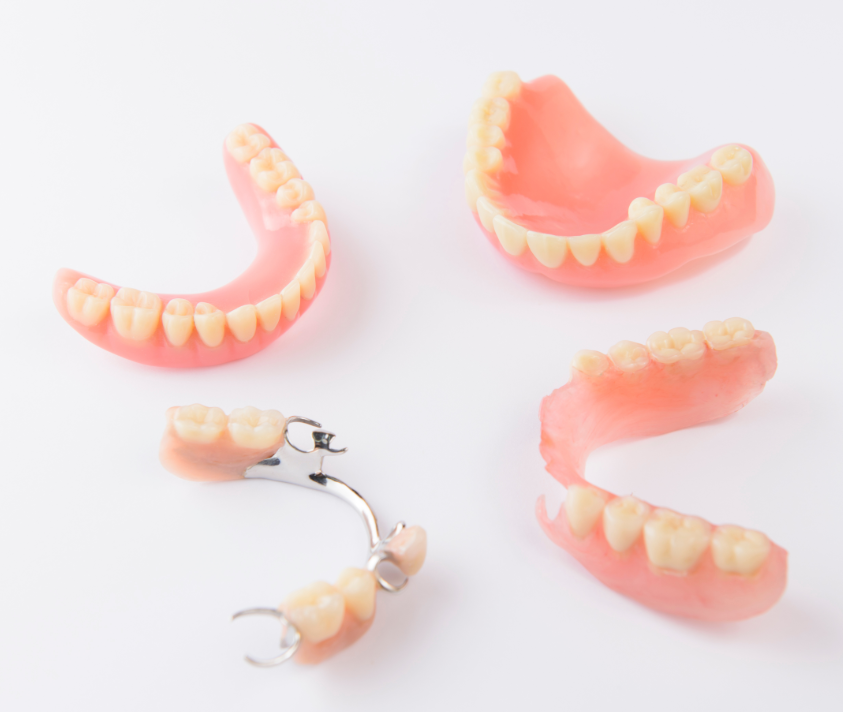
You’d think gravity would be enough to keep a lower denture firmly where it belongs. Unfortunately, anyone who has worn one knows that’s not always how it works! Lower dentures can shift, rock, or even pop out while you’re eating or talking, making everyday activities surprisingly frustrating.
If your lower denture doesn’t feel as secure as it once did, you’re not necessarily doing anything wrong. There are several reasons why lower dentures tend to be more difficult to stabilize—and fortunately, there are several ways to improve their fit.
Why Are Lower Dentures So Unstable?
Lower dentures don’t have the same natural suction effect that can sometimes help upper dentures stay in place. Instead, they need to rest securely on the tissues and ridge of the lower jaw.
Your tongue and the muscles surrounding your mouth can also affect how a lower denture moves. Every time you talk, chew, swallow, or move your tongue, those muscles can potentially put pressure on the denture and cause it to shift.
Changes to your mouth over time can make the problem even more noticeable. After teeth are lost, the jawbone gradually changes shape because it no longer receives stimulation from tooth roots. As the underlying ridge becomes smaller or flatter, a denture that once fit comfortably may become loose.
Your Denture May Need a Reline
If your denture has become loose but is otherwise in good condition, a reline may be a relatively simple solution. During a reline, material is added to the inside of the denture so it more closely conforms to the current shape of your gums and jaw.
A reline can improve the fit and comfort of a denture that has gradually become loose due to changes in the tissues underneath it. Your dentist can determine whether a reline is appropriate or whether replacing the denture would provide a better result.
What About Denture Adhesive?
Denture adhesive can provide additional grip and may be useful for some patients. However, it shouldn’t be considered a permanent solution for a denture that no longer fits properly.
If you’re relying on increasingly large amounts of adhesive just to keep your denture in place, it’s worth scheduling a dental appointment. Your dentist can evaluate the fit and determine whether an adjustment, reline, or replacement would be more appropriate.
Consider an Implant Denture
If you’re looking for a more secure alternative to a traditional lower denture, implant-supported dentures may be worth discussing.
Dental implants are placed into the jawbone and can provide attachment points for a removable denture. Depending on your individual treatment plan, the implants can significantly improve stability, reducing the movement that makes conventional lower dentures difficult to manage.
Implant dentures can also provide other benefits associated with implant treatment, including helping preserve the jawbone around the implant sites.
Don’t Ignore a Loose Denture
A denture that slips occasionally may seem like a minor inconvenience, but persistent movement can make chewing and speaking difficult and may cause sore spots or irritation.
If your lower denture no longer fits the way it used to, don’t assume you simply have to live with it. Your dentist can examine your mouth and denture and help you determine whether an adhesive, adjustment, reline, new denture, or implant-supported option makes the most sense.
A secure denture should help you enjoy your daily life—not constantly remind you that you’re wearing one.
About the Practice
Cosmetic and Restorative Dentistry of the Keys is a comprehensive dental practice serving patients in Key West, Florida, with services that include preventive, restorative, cosmetic, and tooth-replacement care. The practice offers dentures as an option for patients who have experienced tooth loss and works with patients to develop treatment plans suited to their individual needs. The team offers a range of restorative solutions and can help patients explore their options for replacing missing teeth and improving the comfort and function of their smiles.
Call us at (305) 680-1553 or schedule your appointment online