
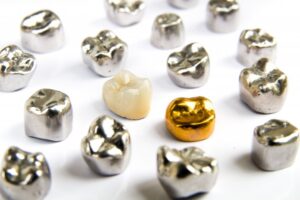
Dental crowns are designed to protect and restore damaged teeth, often lasting 10–15 years or longer with proper care. However, crowns are not permanent and can wear down over time. Recognizing the signs that your crown may need replacement can help you avoid discomfort and prevent more serious dental problems.
Here are 4 common indicators that it may be time to see your dentist about a new crown.
1. Pain or Sensitivity Around the Crown
A dental crown should feel comfortable and function like a natural tooth. If you begin experiencing pain, sensitivity to hot or cold, or discomfort when biting down, it could signal a problem.
In some cases, the tooth underneath the crown may have developed decay or damage. A loose or worn crown can expose vulnerable areas of the tooth, increasing the risk of complications like tooth decay.
Sensitivity that persists or worsens should never be ignored, as it may indicate that the crown is no longer sealing the tooth properly.
2. Visible Wear, Cracks, or Chips
Although crowns are made from durable materials like porcelain, ceramic, or metal, they can still become damaged over time. Cracks, chips, or noticeable wear may affect both the appearance and function of the crown.
Even small fractures can weaken the restoration and allow bacteria to enter beneath it. This can compromise the underlying tooth and lead to additional dental work if left untreated.
If your crown looks damaged or feels rough or uneven, it’s a good idea to schedule an evaluation.
3. Receding Gums Around the Crown
As gums naturally change over time, the edge of your crown may become more visible. In some cases, gum recession can expose the margin where the crown meets the tooth, creating spaces where bacteria can accumulate.
This not only affects the appearance of your smile but can also increase the risk of infection or decay beneath the crown.
If you notice a dark line near the gumline, swelling, or increased sensitivity, your dentist may recommend replacing the crown to improve the fit and protect the tooth.
4. A Loose or Unstable Crown
A crown should remain securely attached to your tooth. If it feels loose, shifts when you chew, or falls off completely, it’s a clear sign that something is wrong.
Crowns can loosen due to worn cement, grinding habits, or damage to the underlying tooth structure. A loose crown can trap food and bacteria, increasing the risk of infection and discomfort.
Trying to ignore the issue can lead to more serious problems, including fractures or the need for more extensive restorative treatment.
Dental crowns are strong and reliable, but they don’t last forever. Pain, visible damage, gum recession, and looseness are all signs that your crown may need attention. Regular dental checkups are the best way to monitor the condition of your crowns and catch issues early. If you notice any changes in how your crown looks or feels, don’t wait to contact your dentist.
About the Practice
Do you have a badly damaged or decayed tooth that could use a little repair? At Cosmetic & Restorative Dentistry of The Keys, we can restore its health, function, and appearance using just one treatment: dental crowns! Our dental office uses all-ceramic materials to make your restoration to improve your smile and your oral health. You can chew, speak, and smile with no concerns due to our high-quality materials designed to last. Book online or call (305) 680-1553.