
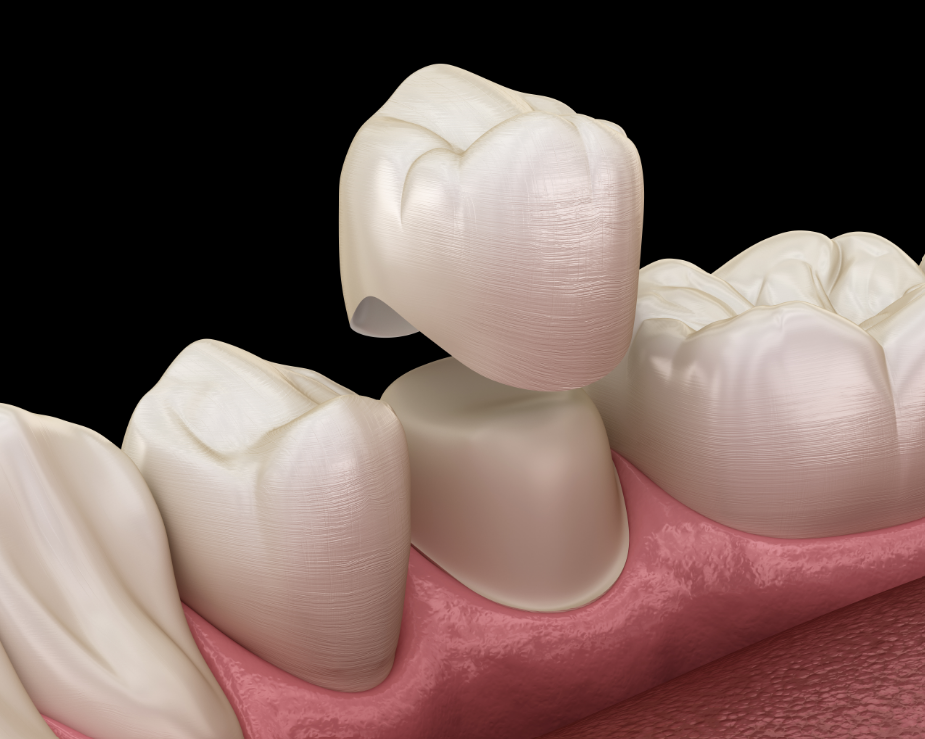
Dental crowns are designed to protect damaged teeth and restore function, but they aren’t permanent. With time and daily wear, even a well-made crown can begin to fail. Recognizing the early warning signs that a crown needs replacement can help you avoid discomfort, infection, or more extensive dental work down the road.
How Long Do Dental Crowns Typically Last?
Most dental crowns last between 10 and 15 years, though some can last longer with excellent care. Factors such as oral hygiene, teeth grinding, bite alignment, and the materials used all affect a crown’s lifespan. As crowns age, they may weaken or lose their seal, making regular dental exams especially important.
Pain or Sensitivity Around the Crown
One of the most common signs that a crown may need replacement is pain or sensitivity. Discomfort when biting down or sensitivity to hot and cold can indicate that the crown no longer fits properly or that decay has developed underneath it. Because the crown covers the tooth, problems below the surface may not be visible or obvious without an exam.
Visible Cracks, Chips, or Wear
Crowns are strong, but they aren’t indestructible. Over time, chewing forces can cause cracks, chips, or thinning of the material. Porcelain crowns may show small fractures, while metal crowns can wear down surrounding teeth. Any visible damage increases the risk of crown failure and should be evaluated promptly.
A Loose or Shifting Crown
A crown should feel secure at all times. If it begins to feel loose or moves when you chew, the cement holding it in place may be breaking down. A loose crown allows bacteria to seep underneath, increasing the risk of decay or infection. Even if the crown hasn’t fallen off, looseness is a sign that it may need replacement.
Gum Recession Around the Crown
Changes in the gumline around a crowned tooth can also signal trouble. Receding gums may expose the edge of the crown or the natural tooth underneath, creating a gap where bacteria can collect. This can lead to decay or gum disease if not addressed. Gum inflammation or bleeding around a crown should never be ignored.
Dark Lines or Discoloration
A dark line at the base of a crown, especially older porcelain-fused-to-metal crowns, may indicate wear or metal exposure. Discoloration around the crown can also suggest leakage or decay beneath the restoration. These visual changes often appear gradually and are easy to miss without professional monitoring.
Why Regular Dental Visits Matter
Many crown problems don’t cause noticeable symptoms at first. During routine dental visits, your dentist can check the integrity of your crown, evaluate the seal, and take X-rays if needed. Catching small issues early often means simpler treatment and helps prevent sudden crown failure or tooth damage.
Paying attention to subtle changes and keeping up with regular checkups can help ensure your crown continues to protect your smile.
About the Practice
Cosmetic and Restorative Dentistry of the Keys provides comprehensive restorative dental care, including custom dental crowns designed to protect and strengthen damaged teeth. Our experienced dental team focuses on preventive care and early detection, helping patients maintain long-lasting restorations and healthy smiles. With a patient-centered approach and modern techniques, we guide patients through every stage of crown care, from placement to replacement.
Call us at (305) 680-1553 or request an appointment online.